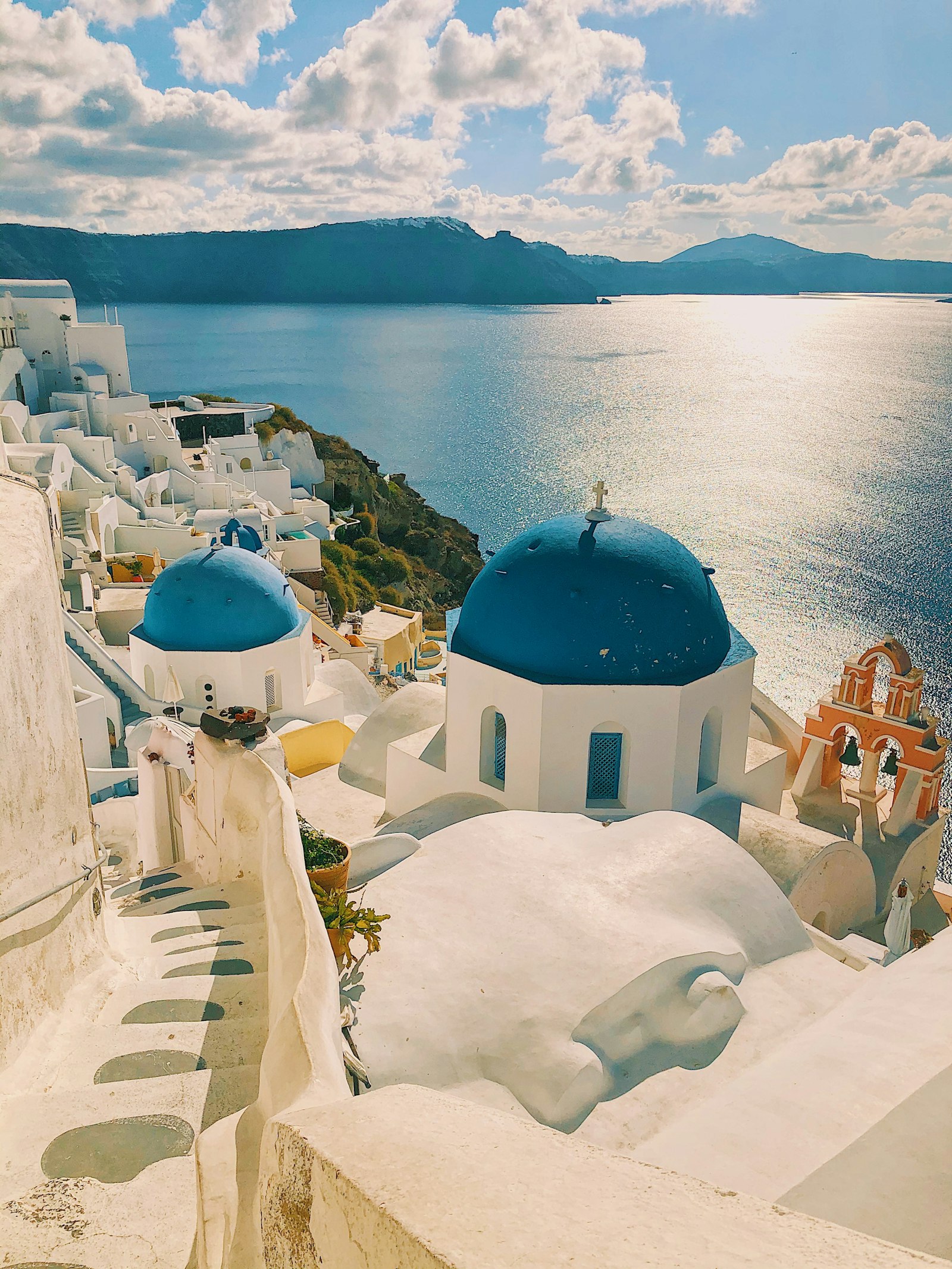
Aerial view of Parikia town and harbor with turquoise water

21 Experiences

21 Best Things to Do in Paros, Greece (2026 Update)

Paros packs more variety into one island than anywhere else in the Cyclades. Marble-white villages, hidden beaches, ancient trails, vineyard lunches. These 21 experiences are the ones that make repeat visitors call it their favorite Greek island.

Last updated April 2026 · By Routey Editorial · 12 min read

Most travelers pass through Paros on their way to Santorini or Mykonos. They take the same ferry, stay at the same port town, and visit the same beaches. This guide is for the ones who stayed, and for anyone who wishes they had.

We have organized 21 experiences across four categories: beaches, villages, cultural sites, and food. Every entry has a practical tip: best time to go, what to bring, how to combine it with other activities. Jump to your interest below, or read straight through.

7 Beaches

Best Beaches in Paros

Paros has over 30 beaches. These seven cover the full range: dramatic rock formations, long sandy sweeps, social beach bars, and quiet local coves.

1

Kolympithres

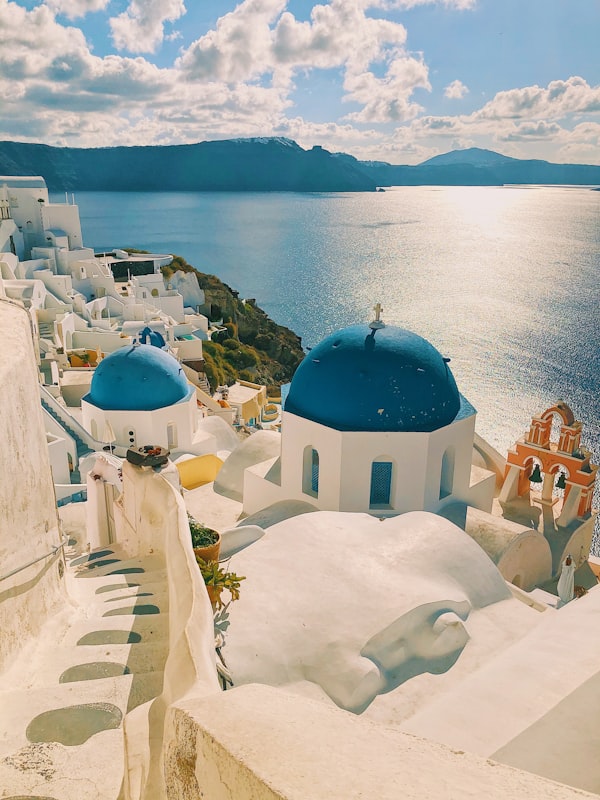
Massive granite formations create natural swimming pools and narrow channels between rocks — one of the most-photographed coastlines in the Cyclades. The late-afternoon light turns the pools amber and the water crystal clear. It is busy in July–August, but arriving before 10am transforms the experience.

Tip: Go early (before 9:30am) in summer. Bring water shoes — the rock formations are beautiful but not always comfortable on bare feet. The beach bar at the eastern end has good coffee and cold juices.
2

Faraggas

A long sandy sweep on Paros south coast with some of the clearest water on the island. Unlike the busier east-coast beaches, Faraggas has a wild quality to it — fewer facilities, more space, and a taverna at the eastern end that serves fresh fish straight off the boat.

Tip: The beach narrows significantly in peak summer due to low water levels. Arrive before 10am for the full experience. The water is at its clearest in the morning before the afternoon Meltemi wind picks up.

3

Santa Maria

The north coast equivalent of Kolympithres — a long stretch with a kitesurfing school, a beach bar with excellent cocktails, and a mix of sand and rocky coves. The surf school runs lessons for beginners (€40–€60) and the open sea creates proper waves for bodyboarding.

Tip: Best in the morning before the wind picks up. The beach bar does a Bloody Mary worth waking up early for. Take the coastal path from Parikia on foot — it is one of the nicest walks on the island.

4

Pounda

Where Paros meets Antiparos — both a beach and the departure point for the ferry. Pounda has developed a social scene around its beach bars and kitesurfing school, with DJs on weekend afternoons. The water is spectacular and the ferry to Antiparos is 8 minutes away.

Tip: The beach bars charge €8–€12 for a sunbed but the atmosphere is worth it on a hot afternoon. If you want quiet, go before noon. From here, walk to the nearby Agios Ioannis detis monastery — the clifftop path has extraordinary views.

5

Agios Fokas

The quiet, southeast coast beach that most tourists skip. Shallow water extends 50 meters out from the shore, genuinely calm and family-friendly. One excellent taverna right on the beach (open summer only) serves fresh fish at prices that have not been adjusted for tourism.

Tip: Best in the morning before the afternoon Meltemi stirs up the water. Bring everything you need — there are no shops or facilities. The taverna opens around 11am and serves until the food runs out.

6

Marchello (Marcelo)

A small cove west of Parikia, walking distance from town. Rocky with some sand patches, shaded by a cliff in the afternoon. Very popular with Greek families on summer weekends. Most tourists walk right past it because it is not obvious from the road.

Tip: Arrive in the afternoon for shade from the cliff. The approach path is unmarked — look for the small church of Panagia tourliani on the coastal road west of Parikia, then follow the path down.

7

Kalavros

Long stretch on the southeast coast popular with kitesurfers and windsurfers. Cheaper beach bars than the south coast, and the nearby islet of Kalavros is a protected nature reserve. For active travelers who want a beach that is not purely scenic, this is the spot.

Tip: Come for the kitesurfing conditions, stay for the sunset. The beach bars here are more laid-back and cheaper than Pounda. Wind and wave conditions are best in the afternoon from May through September.

5 Villages

Best Villages in Paros

The villages of Paros are as varied as the island itself, from the cosmopolitan harbor of Naoussa to the mountain quiet of Lefkes.

1

Parikia Old Town

The original Cycladic town plan: a tight maze of narrow streets designed to confuse pirates. Today it is one of the most atmospheric old towns in the Cyclades. Every turn reveals a whitewashed doorway, cascading bougainvillea, or a small church with a blue dome. The evening waterfront promenade is the social heart of the island.

Tip: Explore on foot in the early morning (before 9am) when the light is extraordinary and the streets are empty. Do not miss the market street (Ethnikis Antistaseos) for local products, and ask at any taverna for the location of the small church of Agios Nikolaos — one of the most-photographed spots on Paros.

2

Naoussa Harbor

A working fishing harbor surrounded by outstanding seafood restaurants. The boats leave early morning and return by mid-afternoon. Eat at a harbor taverna at 6pm and you are eating the freshest catch on the island. The narrow streets behind the harbor have galleries, designer shops, and some of the best bar atmosphere in the Cyclades.

Tip: Eat at Maro taverna (booking essential — it has no sign, just a blue door) for the authentic experience. For upscale Greek cooking, Empvorix is worth the reservation. Walk to the harbor edge at sunset for the view across to the islet of Panagia.

3

Lefkes

The mountain village at the geographic heart of the island, and the most traditionally Cycladic in character. No harbor, no beach, no big hotels. Just a hillside of white cubic houses, a church square with two excellent tavernas, and views across the valley. The village was the capital during the Byzantine period, and that history is visible in its church of Agia Triada.

Tip: Stay overnight if you can — the village is completely different after the day-trippers leave, with just the locals and the evening light on the mountains. The square tavernas do not take reservations, just turn up. Bring a light jacket even in summer — it is noticeably cooler at 300m elevation.

4

Marmara

A tiny mountain village south of Lefkes, known for a small church with distinctive blue windows and for the valley path connecting it to Prodromos. Completely off the tourist map. Most visitors who come are Greek tourists from Athens. Genuine local experience in an extraordinary setting.

Tip: The church is at the top of the village, free to enter and usually open. Follow the signed path from here to Prodromos — it takes about 45 minutes and passes through some of the most beautiful valley terrain on the island.

5

Prodromos

The end point of the Marmara-Prodromos path, and home to one of the oldest remaining windmills on Paros, fully restored and open to visitors. Small, quiet, and deeply traditional — the kind of village where an old man will offer you a glass of water from his tap if you sit in the square long enough.

Tip: The windmill is open during daylight hours — just walk in. The small taverna near the square (no sign, look for the tables) serves excellent local food at genuinely local prices. Stop here after a walk from Marmara for a proper lunch.

5 Cultural Sites

Cultural Experiences in Paros

From a 4th-century church to a 13th-century Venetian castle, Paros has more history per square kilometer than most Greek islands.

1

Panagia Ekatontapiliani

The "Church of 100 Doors" in Parikia — one of the oldest intact Christian churches in Greece, dating to 326 AD. The outer church is Byzantine; inside is a small 5th-century chapel still used for daily worship. The legend says the church will reveal its 100 doors when Constantinople is freed — hence the name. The frescoes inside the inner chapel are extraordinary.

Tip: Arrive before 9am to experience it in near-silence. The entrance is on the main square of Parikia, look for the bell tower. Dress modestly (shoulders and knees covered) — this is an active place of worship. Free entry.

2

Venetian Castle (Kastro)

The crumbling 13th-century Frankish castle at the north edge of Parikia, built by Venetian ruler Marco Sanudo. The streets leading to it — steep, narrow, and lined with the ruins of medieval houses — are some of the most atmospheric in Parikia. The views from the top across Parikia and the Aegean are panoramic.

Tip: Go at golden hour (roughly 6–7pm in summer). The light turns the marble ruins amber and the harbor below turns gold. Free, always open. Combine with a walk through the old town afterwards. The contrast between the Kastro ruins and the vibrant streets below is striking.

3

Marble Workshop

Paros marble has been used in monuments from the Athenian Acropolis to Napoleon's tomb. A small workshop near Parikia demonstrates traditional marble carving. Visitors can try it under guidance. One of the more unusual activities on the island, and particularly good for families with children.

Tip: Book through your accommodation or directly at the Paros tourism office in Parikia. Sessions are typically 1–2 hours and cost €25–€40 per person. The workshop also sells small marble objects — a marble keyring from Paros makes a meaningful souvenir.

4

Byzantine Museum (Lefkes)

A small museum in Lefkes displaying Byzantine icons and religious artifacts recovered from churches across Paros. Unexpectedly rich for such a small space: the icons date from the 12th to 17th centuries and the craftsmanship is remarkable. The building itself is a restored 17th-century olive press, and the original millstone is still in place.

Tip: The museum is open afternoons only (generally 5–8pm, closed Mondays) and costs €3. It is a quiet, contemplative space — allow 30–45 minutes. Combine with lunch in Lefkes square before or after.

5

Agios Ioannis Detis Monastery

A clifftop monastery above Pounda beach, with extraordinary views across to Antiparos. The monastery is still inhabited by a small monastic community. The path from Pounda takes about 20 minutes along the clifftop with nothing but sea below — one of the most dramatic short walks on the island.

Tip: Combine with a morning at Pounda beach and the Antiparos ferry crossing. The monastery is open to visitors but be respectful of the monks — quiet dress and no photography inside the church. The clifftop path is exposed, avoid in midday summer heat.

4 Food Experiences

Food & Drink in Paros

Paros punches above its weight on food. A strong agricultural tradition meets a serious restaurant culture. These four experiences go beyond the standard taverna.

1

Harbor Seafood at Naoussa

The harbor at Naoussa is where the fishing boats moor. Eating here means eating what was swimming this morning. The taverna row along the waterfront looks touristy, but several of the establishments are family-run with direct relationships with the fishermen. The key is asking what is fresh rather than ordering from the menu.

Tip: Eat at 6–7pm (Greek dinner time) rather than noon. By the evening the fish has been resting on ice for hours, but the tavernas are quieter and the harbor is at its best. Ask your accommodation to call ahead and ask for a table with harbor view. Maro taverna (no sign, blue door in the inner street) is the standout — booking essential, no exceptions.

2

Local Winery Visit

Paros has a small but serious wine culture. The island's white wine, made from the Monemvassia grape, is significantly better than most tourist-island plonk. Two wineries near Parikia (Moraitis and Idedu) offer tastings and cellar tours by appointment. The Moraitis winery also has an excellent restaurant.

Tip: Contact the wineries directly via their websites to book a tasting (€15–€25 per person). The best time is in the afternoon — combine with an evening in Parikia old town afterwards. Bring a bottle home — Paros wine is hard to find outside the island.

3

Taverna at Petalides Harbor

The small harbor south of Lefkes has one taverna that has been serving fishermen and locals for decades. The menu is whatever was caught that morning plus whatever grew in the family garden. There is no printed menu. You hear what was cooked today and point. The setting (harbor, olive trees, clear water in the distance) is unforgettable.

Tip: Call ahead to book (+30 22840 41222). Open May to October only. Do not arrive hungry expecting a fast lunch — everything is cooked to order. This is the experience that makes Paros feel different from the other Cycladic islands.

4

Parikia Market Street

Ethnikis Antistaseos is where Paros locals actually shop: cheese, olive oil, honey, herbs, and traditional sweets. The shops are nothing fancy, but the quality is genuine and the prices are honest. It is one of the most quietly atmospheric streets in Parikia, especially in the early morning.

Tip: Go before 10am to see it active with locals. Buy a small wheel of Paros graviera cheese (€8–€12) and some local honey to take home. The sweet shop partway along (look for the brass scales in the window) sells traditional Paros sweets by weight — ask for a selection.

Practical Planning for Your Paros Trip

How Many Days?

3 days: Parikia highlights + one beach + Naoussa dinner. The minimum that works.
5 days: Adds Antiparos day trip, a second beach area, and time to explore Naoussa properly.
7+ days: You can genuinely slow down — second visits to favorite places, a Naxos overnight, full beach days without rushing.

Best Season

May: Warm (22–27°C), wildflowers, empty beaches, hiking perfect.
June–August: Hot (28–35°C), crowded, maximum energy. Book 6+ weeks ahead.
September: Still warm, less crowded, sea at its warmest (24°C). Ideal.
October: Quiet, 20–24°C, some restaurants closed. Good for hiking.

Getting Around

Car: Essential for south-coast beaches, mountain villages, and flexibility. €40–€80/day.
ATV: Cheaper (€20–€35/day), fun, but dangerous on steep mountain roads.
Bus: Connects main towns and beaches. Limited on weekends. Check schedules locally.
Taxi: Scarce. Use the Paros Taxi app. Fixed fares to main destinations.

Suggested Itineraries

Beach-focused: Kolympithres → Faraggas → Pounda → Antiparos ferry → Agios Fokas.
Cultural: Panagia Ekatontapiliani → Kastro → Byzantine Museum → Marble workshop → Lefkes.
Active: Morning at Kolympithres → drive to Lefkes for lunch → Parikia old town evening.

Routey app on a smartphone showing a tour map

Explore Paros with Routey

Turn these 21 experiences into an interactive adventure. Routey self-guided tours include route navigation, offline maps, and riddles at the best stops.

Frequently Asked Questions

What is the best way to get around Paros without a car?expand_more

Buses connect Parikia with Naoussa, Lefkes, and most south-coast beaches, but schedules are infrequent. Taxis are scarce. For full flexibility, rent a car or ATV (€40–€80/day). The Paros Taxi app works reasonably well for point-to-point trips.

Is Paros good for a family trip?expand_more

Yes. Paros is one of the most family-friendly Cycladic islands. Parikia and Naoussa have flat, walkable streets. Most south-coast beaches have shallow, calm water. The island is small enough for kids to handle, and activities like marble workshops, boat trips, and village exploration work well for mixed-age families.

How many days do you need in Paros?expand_more

Three to five days covers the highlights. A long weekend (3 days) works for Parikia, Naoussa, and one beach day. Five days adds Antiparos, a second beach area, and time to actually relax. Do not try to squeeze Paros into a day trip from Santorini. The ferry crossing alone is 2–4 hours each way.

What is the best beach in Paros?expand_more

There is no single best beach. It depends on what you want. Kolympithres is the most dramatic. Faraggas is the most beautiful for swimming. Pounda is best for social atmosphere and kitesurfing. Agios Fokas is the quietest and most local. Mix several for a full picture of what Paros coast has to offer.

Can you do Paros on a budget?expand_more

Paros is one of the more affordable Cycladic islands. Accommodation in Parikia starts at €50–€70/night in summer. Ferries from Athens start at €35–€45. Local tavernas serve generous meals for €12–€18 per main. Routey tours at €20.99 are one of the cheapest organized activities on the island. The key is eating where locals eat rather than on the tourist waterfront strips.