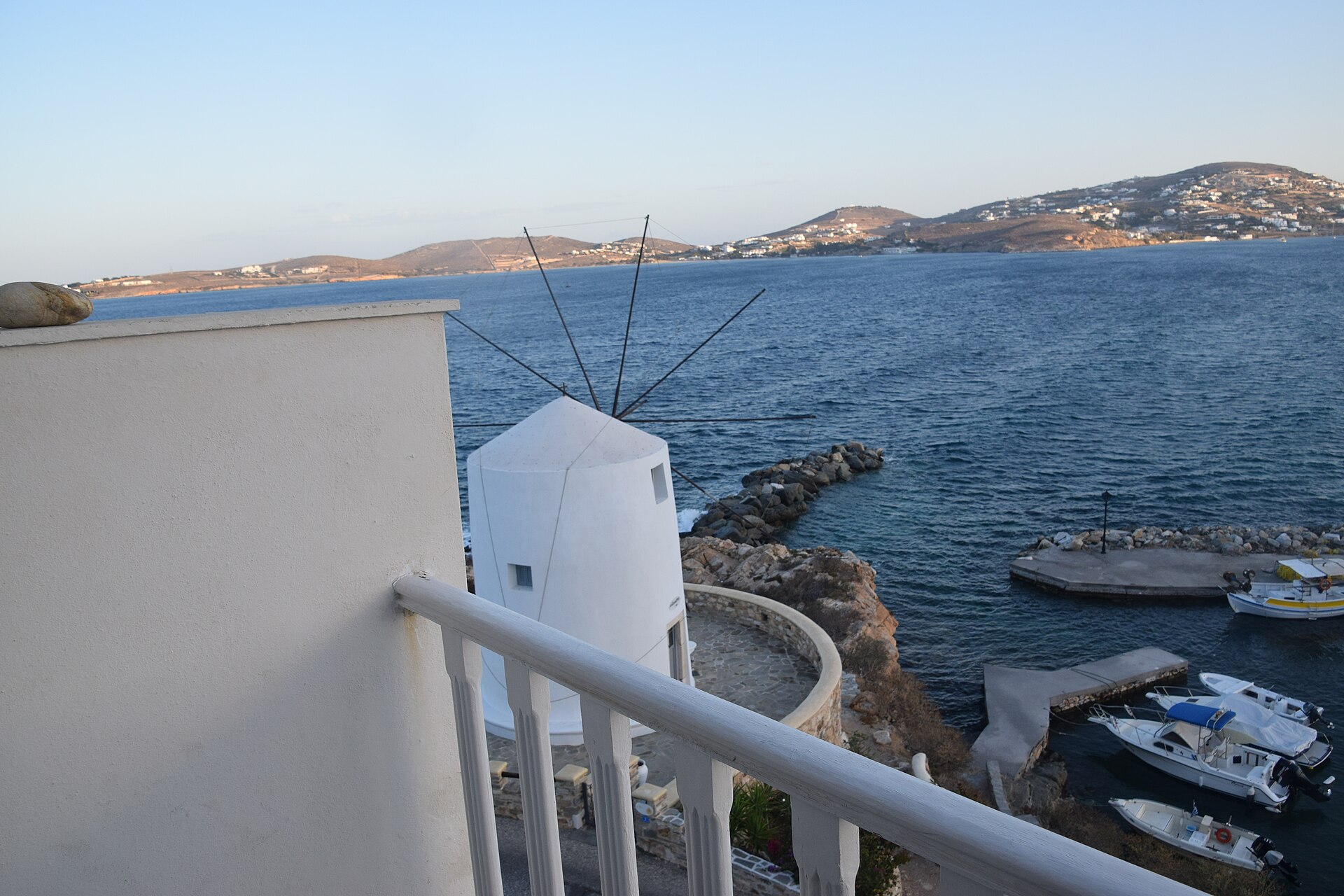
Ferries and whitewashed buildings at Parikia port, Paros

Getting to Paros

Athens to Paros Ferry

Piraeus or Rafina, high-speed or conventional, here is exactly how to get from Athens to Paros by sea, with realistic prices and timing for 2026.

Last updated July 2026 · By Routey Editorial

Quick Answer

Crossing time2.5–3h (high-speed) · 4–4.5h (conventional)
Departure portsPiraeus (Athens) or Rafina
OperatorsBlue Star Ferries, SeaJets, Golden Star Ferries
Typical price€35–€75 per person, one-way
FrequencySeveral daily in summer, fewer in winter

Prices and schedules change by season and operator, always check current listings on Ferryhopper or the operators' own sites before booking.

Paros has no airport connection from mainland Europe that beats the ferry for most travelers, the island sits roughly 100 nautical miles southeast of Piraeus, and the ferry is how the vast majority of visitors arrive. Two ports serve the route: Piraeus, Athens's main port, and Rafina, a smaller port closer to Athens International Airport. Both connect to Parikia, the main port and town on Paros.

The choice mostly comes down to speed versus reliability. Conventional ferries take longer but run in wind that grounds high-speed vessels, high-speed ferries cut the trip roughly in half but cost more and cancel more readily when the meltemi picks up, which happens often on summer afternoons.

Piraeus vs Rafina: Which Port to Use

anchorPiraeus

The default choice for most travelers. Piraeus is Greece's largest port and has by far the most departures to Paros, on both conventional and high-speed ferries. It connects to central Athens by metro (Line 1, roughly 25–40 minutes from Monastiraki/Syntagma), so it works well whether you are staying in the city first or heading straight there from the airport.

Downside: the port is large and can be confusing, gates for different operators are spread out, so allow extra time to find your departure gate, especially in peak summer.

flight_landRafina

Smaller and easier to navigate than Piraeus, and roughly 20–25 minutes by car or bus from Athens International Airport (ATH). If your flight lands and you want to head straight to the ferry without detouring into Athens, Rafina can save real time.

Downside: fewer daily departures than Piraeus, and it is roughly an hour from central Athens if you are staying in the city rather than flying in directly.

Conventional vs High-Speed Ferries

directions_boat

Conventional Ferries

Best value, most reliable in wind

Duration

Roughly 4–4.5 hours from Piraeus

Typical price

Typically €35–€50 for a deck seat, more for a cabin

  • checkBlue Star Ferries runs the main conventional route from Piraeus, large, stable ships built for the open Aegean.
  • checkConventional ferries handle the meltemi wind (strong in July–August) far better than high-speed catamarans, which are the first to cancel in rough seas.
  • checkYou can walk around, get food from an onboard café, and bring more luggage without worrying about weight limits.
  • checkCars and motorbikes can be loaded, useful if you plan to bring your own vehicle rather than renting on Paros.
bolt

High-Speed Ferries

Fastest, but pricier and wind-sensitive

Duration

Roughly 2.5–3 hours from Piraeus

Typical price

Typically €50–€75 depending on route and season

  • checkSeaJets and similar operators run high-speed catamarans that cut the Piraeus–Parikia crossing to about half the conventional time.
  • checkThese are the ones most likely to be cancelled or delayed when the meltemi picks up, which is common in July and August afternoons.
  • checkSeating is airline-style, less room to move around than a conventional ferry, and outdoor deck access is limited.
  • checkGood option if your time in Greece is short and you want to maximize days on the island rather than in transit.
ConventionalHigh-Speed
Duration4–4.5h2.5–3h
Price€35–€50€50–€75
Wind reliabilityHighLower
Vehicle transportYesLimited / varies
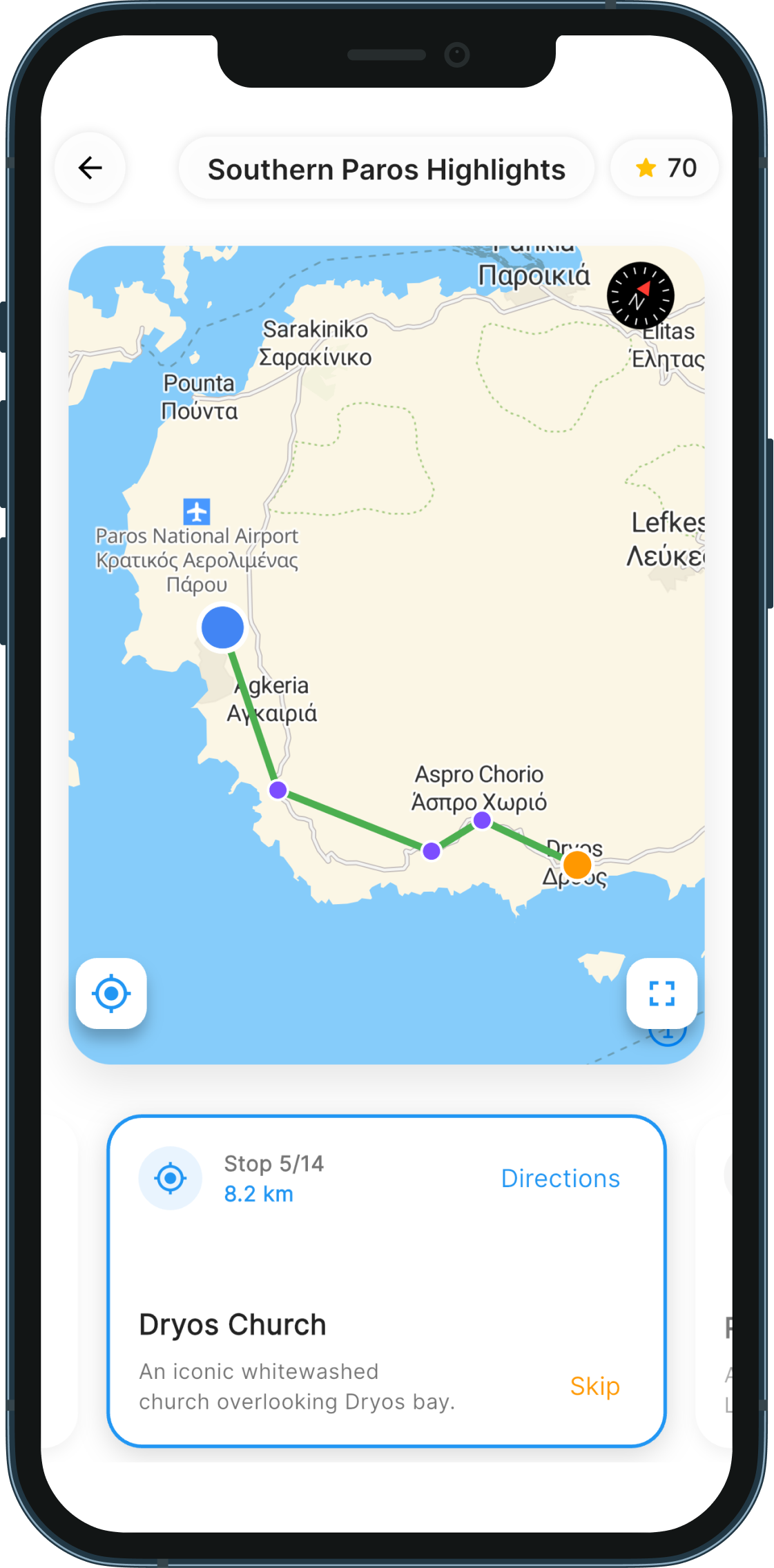
The Routey app showing a self-guided tour map of Paros on a smartphone

Booked your ferry? Plan what to do on Paros.

Routey self-guided GPS tours turn your time on the island into a curated route with stop narratives and riddles, no rental car or guidebook required. From €20.99.

Practical Booking & Travel Tips

Book ahead for July–August

Peak season sailings, especially morning departures and Friday/Saturday crossings, sell out. Book as soon as your dates are fixed. In shoulder season (May, June, September) you have more flexibility to book a week or two out.

Bringing a car onboard

Conventional ferries generally accommodate cars and motorbikes, high-speed catamarans have limited or no vehicle capacity depending on the vessel. If you need to bring a vehicle, confirm capacity with the operator and book vehicle space early, it sells out before passenger seats do. Most visitors find it cheaper and simpler to rent a car on Paros itself, see our guide to getting around Paros.

Seasickness and deck vs. cabin

The open Aegean crossing can get choppy, especially in the meltemi season. On conventional ferries, a cabin gives you somewhere to lie down on a longer crossing; on deck, sit toward the center of the vessel and outside if possible, fresh air helps more than staring at a screen. High-speed catamarans feel every wave more than conventional ferries, if you are prone to seasickness, consider the slower conventional option or take medication beforehand.

Arriving at Parikia

Parikia is a working port, expect crowds as multiple ferries unload around the same time. Taxis, rental car desks, and the KTEL bus stop are all within a short walk of the dock. If your accommodation is in Naoussa or elsewhere on the island, arrange transport in advance, particularly for evening arrivals.

Frequently Asked Questions

How long is the ferry from Athens to Paros?expand_more

A high-speed ferry (SeaJets and similar) takes roughly 2.5–3 hours from Piraeus. A conventional ferry (Blue Star Ferries) takes roughly 4–4.5 hours. Departures from Rafina are sometimes slightly faster than Piraeus depending on the specific route and stops. Always check the exact duration for your chosen sailing, some routes stop at other islands first, which adds time.

How far is Paros from Athens?expand_more

Paros is roughly 100 nautical miles (about 185km) southeast of Athens/Piraeus in the Cyclades. There is no bridge or land route, the ferry is the only practical way to get there unless you fly into Paros National Airport via Athens.

Should I depart from Piraeus or Rafina?expand_more

Piraeus has more departures and more operators, it is the default choice for most travelers and is well connected to central Athens by metro. Rafina is closer to Athens International Airport (about 20–25 minutes by car or bus) and can be a better option if you are flying in and heading straight to the ferry without going into the city. Both ports serve Paros; check which one your chosen sailing actually uses before booking transport.

Do I need to book the ferry in advance for July and August?expand_more

Yes, strongly recommended. July and August are peak season, and popular sailings, especially morning departures and weekend crossings, sell out days or even weeks ahead. Book through the operator directly or an aggregator like Ferryhopper as soon as your travel dates are fixed. Outside peak season (May, June, September) you generally have more flexibility to book closer to your travel date.

Can I bring a car on the Athens to Paros ferry?expand_more

Yes, conventional ferries (Blue Star Ferries) carry cars and motorbikes; high-speed catamarans generally have much more limited vehicle capacity or none at all, this varies by operator and vessel. If you plan to bring a car, book well in advance since vehicle space sells out faster than passenger seats, and confirm vehicle capacity with the operator before assuming your ferry can take it.

What is arriving at Parikia port like?expand_more

Parikia is the main port of Paros and a working harbor, expect a few minutes of organized chaos as several ferries load and unload around the same time. Taxis, rental car offices, and the KTEL bus station are all within a short walk of the dock, and most Parikia hotels are walkable from the port. If you are continuing to Naoussa or another village, arrange transport ahead of time, especially late in the day.