4 Villages Covered
Villages of Paros
From a Byzantine capital to a fishing harbor where the boats still go out every morning, the villages of Paros are as varied as the island itself.
The Capital & Main Port
Parikia
Best for: First-time visitors, ferry access, history, nightlife
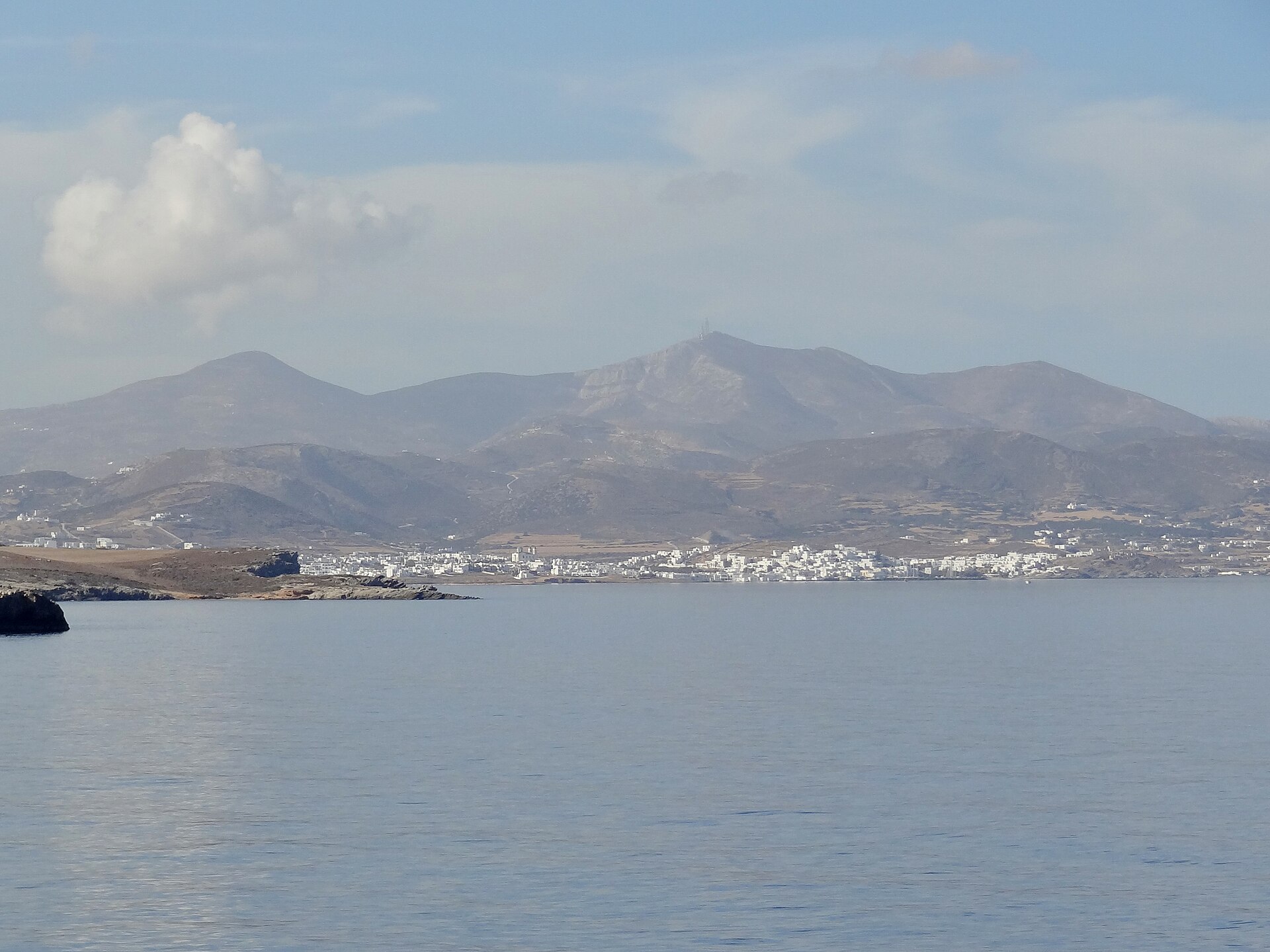
Parikia is the capital of Paros and the arrival point for most visitors. The modern port is practical, ferries, car rentals, and ATMs are all within a few minutes of the ferry dock. But step past the waterfront and you find one of the most atmospheric old towns in the Cyclades.
The Old Town is a maze of marble-paved lanes designed deliberately narrow to confuse pirates, the island was raided repeatedly between the 7th and 17th centuries, and the town plan reflects that history. Every turn reveals a whitewashed cubic house, a bougainvillea-draped doorway, or a small domed church. The market street, Ethnikis Antistaseos, runs through the heart of it.
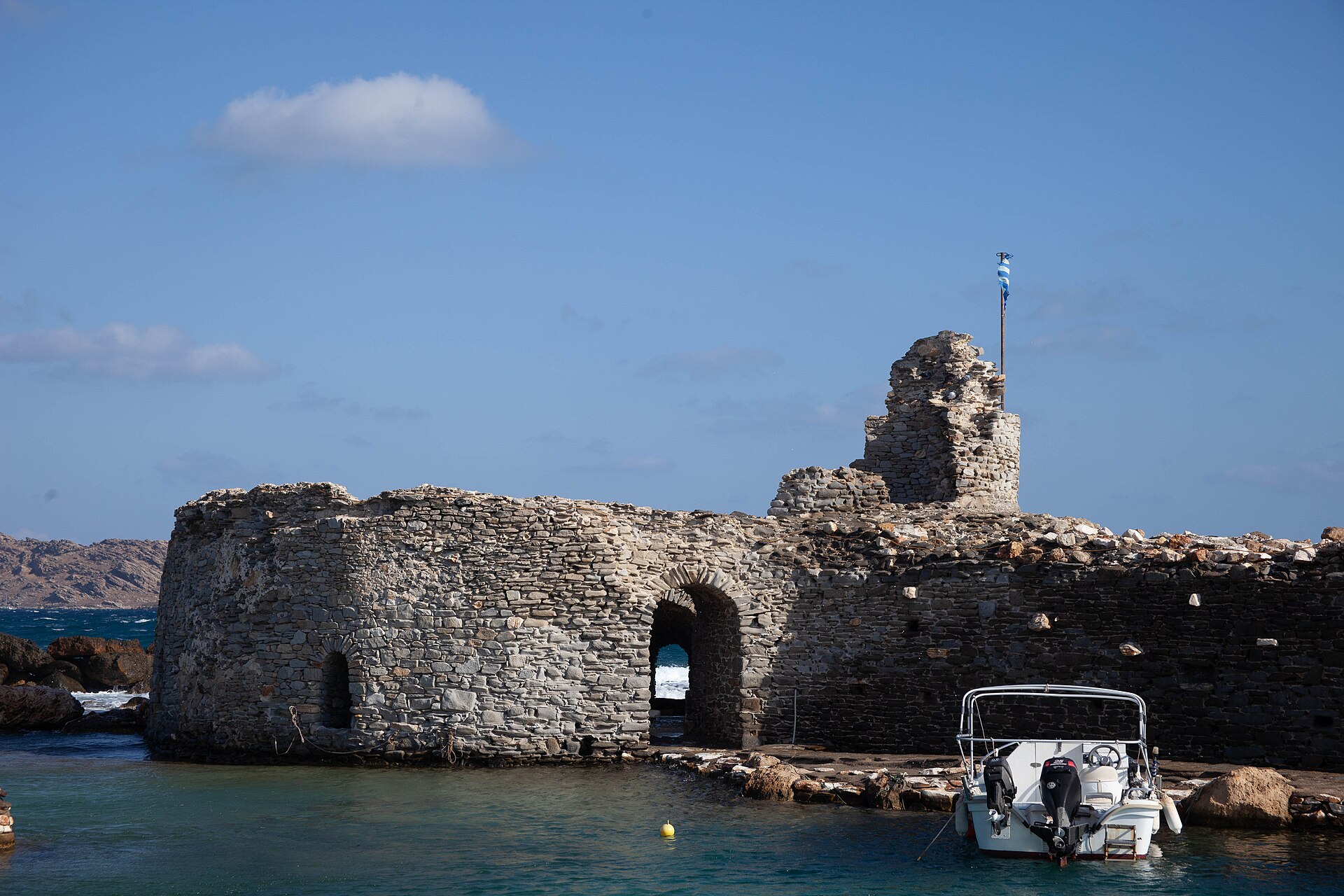
Parikia has two unmissable sites. The Panagia Ekatontapiliani (Church of 100 Doors) is one of the oldest intact Christian churches in Greece, founded, according to tradition, by Emperor Constantine's mother Helena in 326 AD. Free entry; best experienced before 9am in near-silence. The Venetian Castle (Kastro) is a 13th-century Frankish ruin at the north edge of town, with panoramic views over Parikia and the harbor. Go at golden hour.
The waterfront promenade is the social center of the island. Dozens of tavernas and bars line the harbor. The cafés open around 8am for coffee and stay open until 2am. Parikia has the widest accommodation range on the island, from €50/night hostels to €150 boutique hotels in the old town.
Highlights
- Panagia Ekatontapiliani, 326 AD, free entry, open daily
- Venetian Castle (Kastro), panoramic views, best at sunset
- Market street (Ethnikis Antistaseos), cheese, oil, local sweets
- Evening waterfront promenade, tavernas, bars, locals
- Marchello beach, 20 min walk, quiet rocky cove
Stay in Parikia if you want easy ferry access, the widest choice of accommodation, and the most complete experience of Paros life.
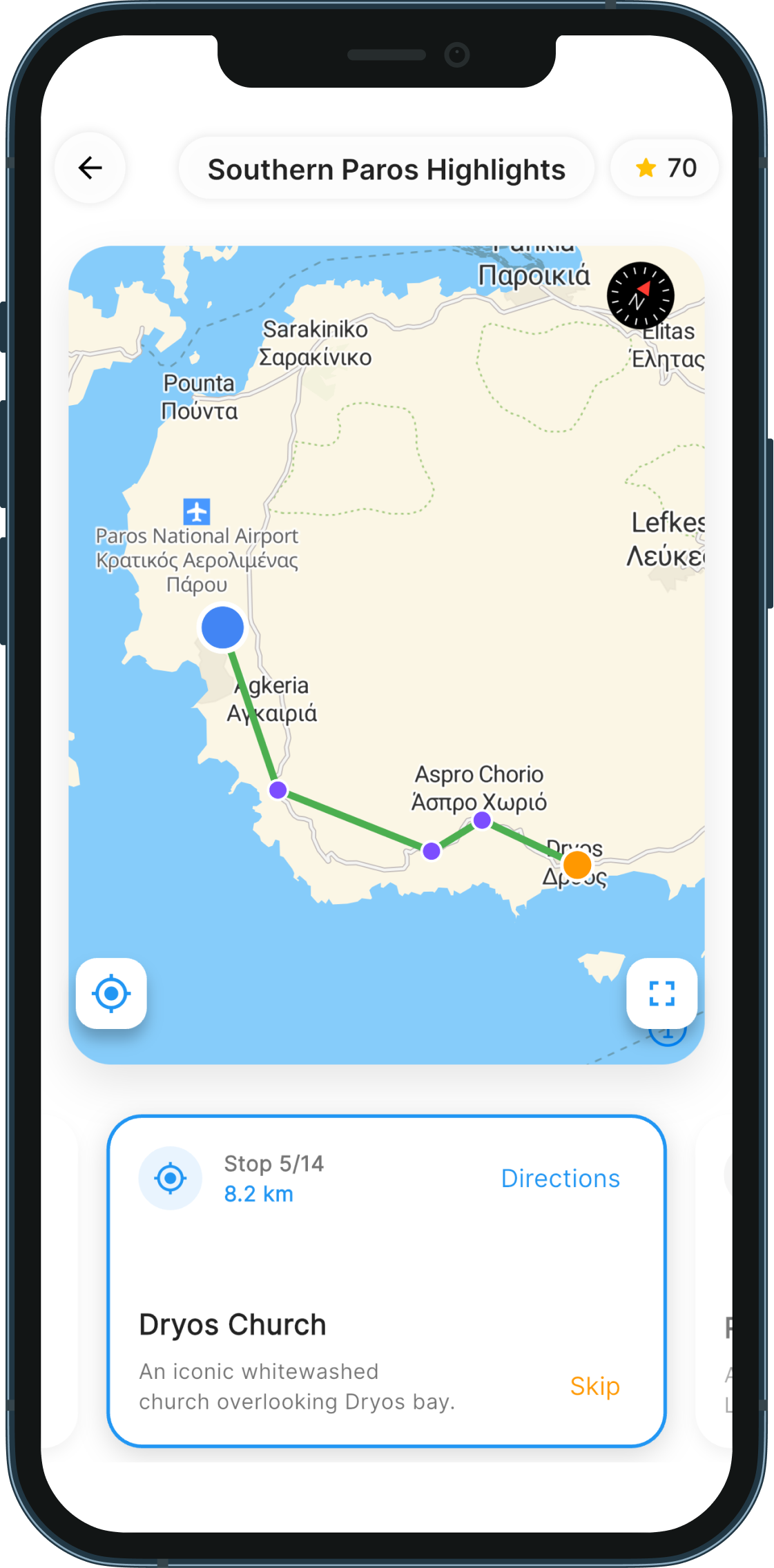
Walk the villages with a self-guided tour
Routey tours take you through the historic districts of Parikia and the surrounding highlights, with narratives at each stop and riddles that make the landmarks memorable.
The Fishing Harbor & Glamorous Second Town
Naoussa
Best for: Seafood, upscale stays, romantic atmosphere, bar scene
Naoussa is Paros's most beautiful and most sophisticated village. Built around a working fishing harbor, it has the best restaurant scene on the island and a nightlife that attracts Athenian weekenders from June through August.
The harbor is genuine, fishing boats moor here, and the taverna row along the waterfront serves fish that was swimming the same morning. The key is eating late (6–7pm, Greek dinner time) and asking what is fresh rather than ordering off the menu. Maro taverna (no sign, blue door in the inner street) is the local standout, booking essential.
Behind the harbor, the narrow streets are dense with galleries, designer boutiques, and bars. The Folklore Museum (in a 19th-century captain's house) is worth an hour. The bar scene runs late and has a mix of atmospheric old-town spots and louder clubs near the harbor mouth.
Naoussa is slightly more expensive than Parikia, accommodation starts at around €100/night for a good room. In peak season the harbor fills with expensive yachts and the restaurant queues are long. Kolympithres beach is 10 minutes west by car, one of the most dramatic beaches in the Cyclades.
Highlights
- Harbor seafood, eat at 6pm, ask for the fresh catch
- Maro taverna, no sign, blue door, booking essential
- Kolympithres beach, 10 min drive, granite rock formations
- Folklore Museum, 19th-century captain's house, €2
- Bar scene, upscale atmosphere, runs until 3am in summer
Stay in Naoussa for the best food and atmosphere on the island. More expensive, but the harbor views and restaurant quality justify it for a romantic or food-focused trip.
The Mountain Village & Former Byzantine Capital
Lefkes
Best for: Authenticity, quiet, hiking, traditional food
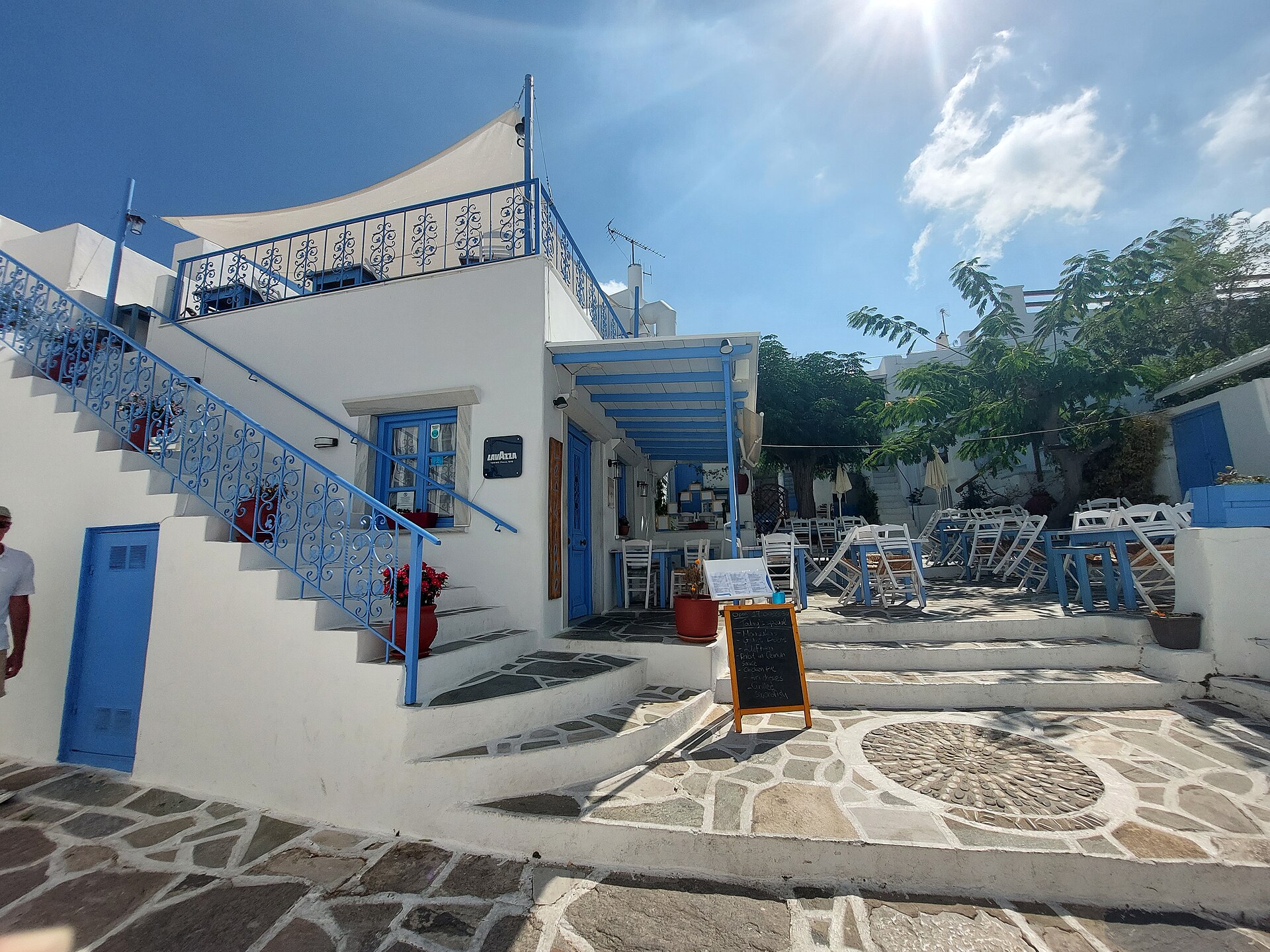
Lefkes is the most traditionally Cycladic village on Paros, and the one most visitors never reach. Sitting at 300m elevation in the geographic center of the island, it was the capital during the Byzantine and Venetian periods, a fact visible in its church, its museums, and the scale of its town plan.
The village has no harbor, no beach, no large hotels. What it has is a hillside of white cubic houses, a church square with two excellent tavernas, and views across the marble-streaked valley. The church of Agia Triada at the village center is worth stepping inside, 17th-century frescoes and a calm that is impossible to find in Parikia.
The Byzantine Museum (in a restored 17th-century olive press, the original millstone still in place) displays icons and artifacts from the 12th through 17th centuries. €3 entry; open afternoons, closed Mondays.
The Byzantine Path, a 5km marble-paved trail, runs from Lefkes to Prodromos through the valley. Allow 2–3 hours return. It is one of the best walks on the island, and almost entirely free of tourists.
Lefkes is noticeably cooler than the coast in summer, bring a light jacket for evenings. Accommodation is limited and books out in July–August. Stay overnight if you can: the village is completely different after the day-trippers leave.
Highlights
- Church of Agia Triada, 17th-century frescoes, free entry
- Byzantine Museum, icons from the 12th century, €3
- Byzantine Path to Prodromos, 5km marble trail, 2–3 hours
- Village square tavernas, To Kati Allo, Stou Stratou
- Views across the marble valley, best at sunrise
Stay in Lefkes for the most authentic Paros experience. Perfect for hikers and travelers who want to escape the tourist circuit entirely.
East Coast Villages & Mountain Paths
Marpissa & Marmara
Best for: Off-the-tourist-track exploration, traditional character
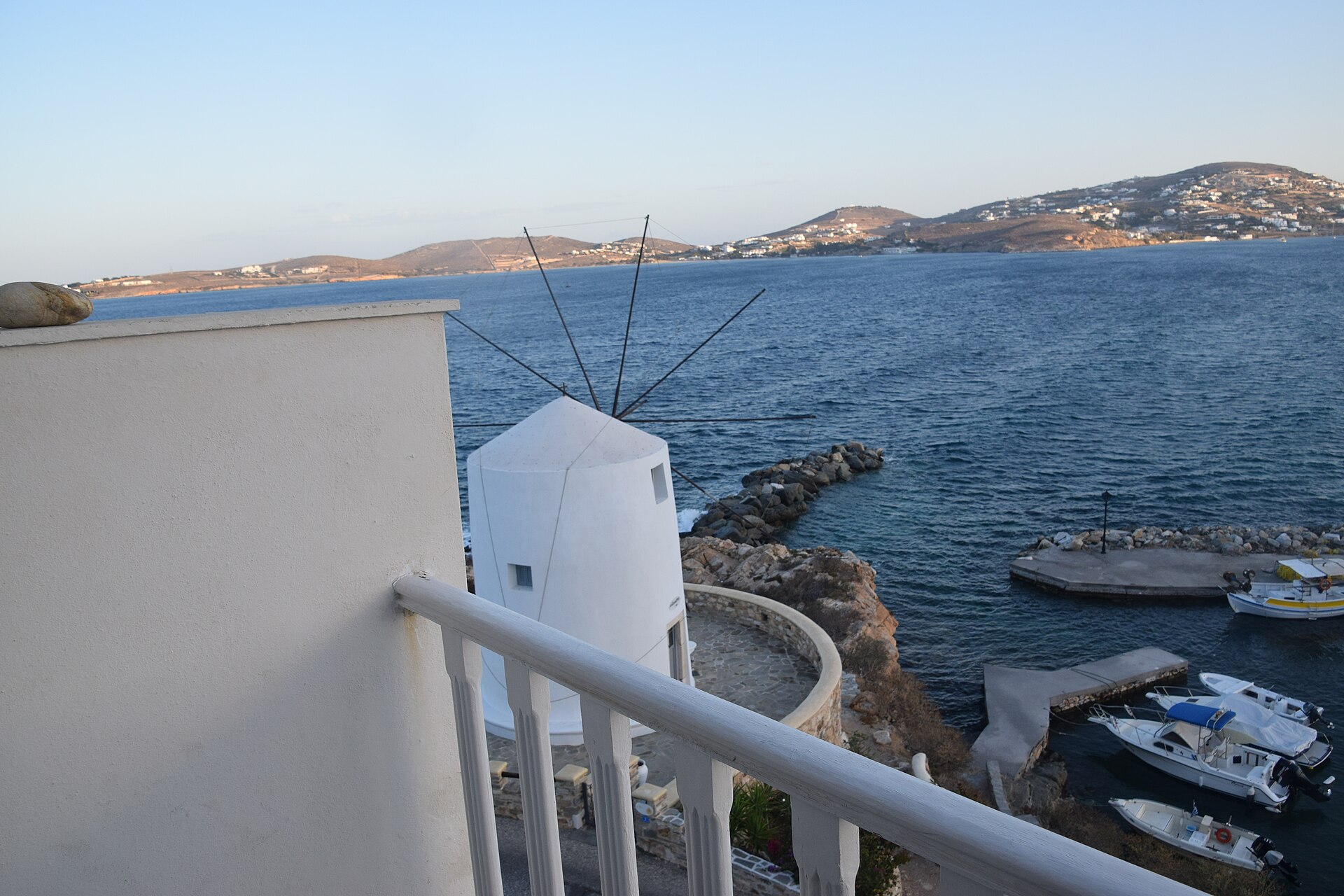
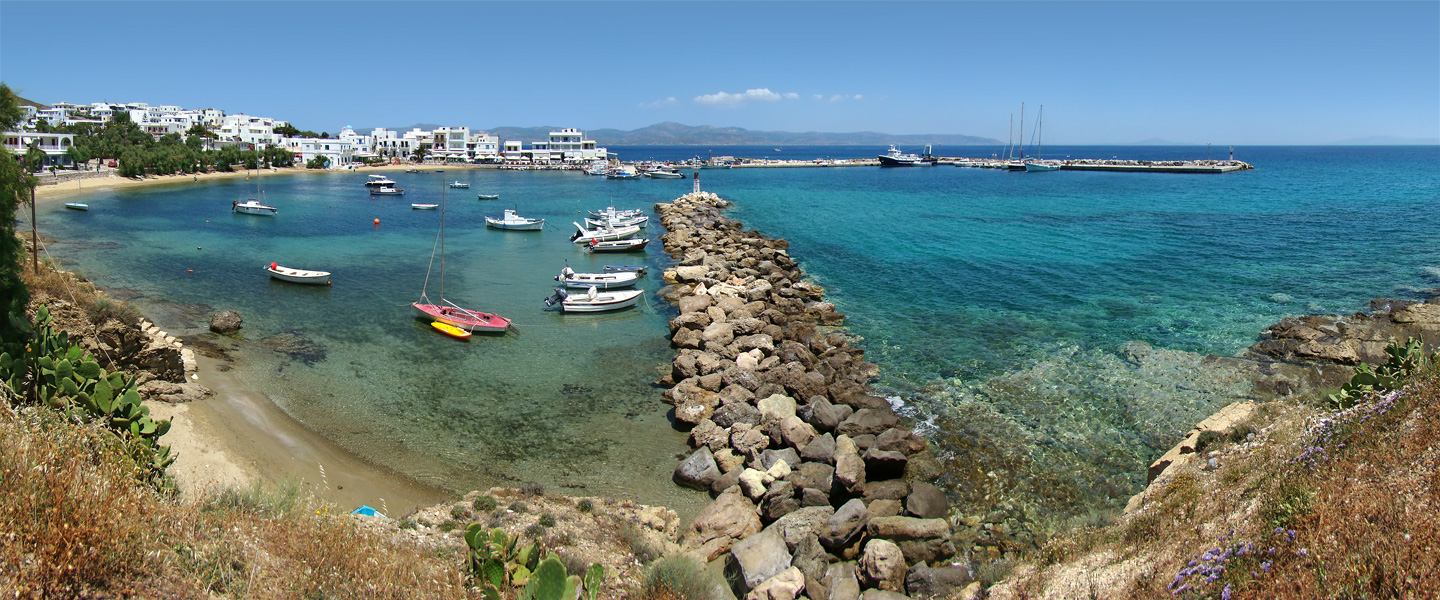
Marpissa is a quiet village on the east coast, built on a hillside above Piso Livadi harbor. It has a traditional windmill (partially restored), a small church with a distinctive bell tower, and a handful of excellent local tavernas. Very few foreign tourists visit, most pass straight through on the way to Piso Livadi beach.
Marmara, a few kilometers south, is smaller still, a tight cluster of houses on a hillside known for a small church with distinctive blue windows. The path from Marmara to Prodromos (45 minutes) passes through some of the most beautiful valley terrain on the island.
Prodromos has the oldest windmill on Paros, fully restored and open to visitors during daylight hours. The small taverna near the square (no sign, just tables outside) serves traditional food at genuinely local prices.
These three villages, Marmara, Prodromos, Marpissa, are off almost every tourist itinerary. They require a rental car to reach comfortably, and there is very little English spoken. That is exactly why they are worth visiting.
Highlights
- Marmara church, blue windows, quiet and photogenic
- Marmara to Prodromos path, 45 min, through the valley
- Prodromos windmill, restored, free entry
- Marpissa windmill, east coast views
- Local taverna in Prodromos, traditional food, no menu
These villages work as a half-day excursion from Parikia or Naoussa rather than a base. Combine with Piso Livadi beach on the east coast.
Explore Paros's villages with a self-guided tour
Routey tours take you through the historic districts of Parikia and the surrounding highlights, with narratives at each stop and riddles that make the landmarks memorable.
Frequently Asked Questions
Is Parikia or Naoussa better to stay in?
It depends on what you want. Parikia is better for: first visits, ferry access, lower prices, and a complete mix of everything. Naoussa is better for: food, romance, upscale atmosphere, and the best bar scene. If you are visiting for a week, split it, a few nights in each is the ideal approach.
What is Lefkes like for tourists?
Lefkes is largely off the main tourist circuit, which is its appeal. Most visitors come for lunch and leave by mid-afternoon. The village is quieter, more authentic, and noticeably cooler than the coast. The Byzantine Path, the church of Agia Triada, and the Byzantine Museum are the main draws. Allow a full half-day, or stay overnight for the real experience.
Can you walk between villages in Paros?
The most famous walk is the Byzantine Path from Lefkes to Prodromos (5km, 2–3 hours). The coastal path from Parikia to Santa Maria beach (4.5km, 45 min) is also excellent. Most other inter-village routes require a car, the road distances are manageable but the terrain is hilly and lacks shade.
What is the best village in Paros for families?
Parikia. The old town streets are flat and walkable, there are plenty of affordable restaurants, and the waterfront is safe for children. Naoussa is also good for families in the evening, the harbor is scenic and there are calm restaurants away from the main bar strip.